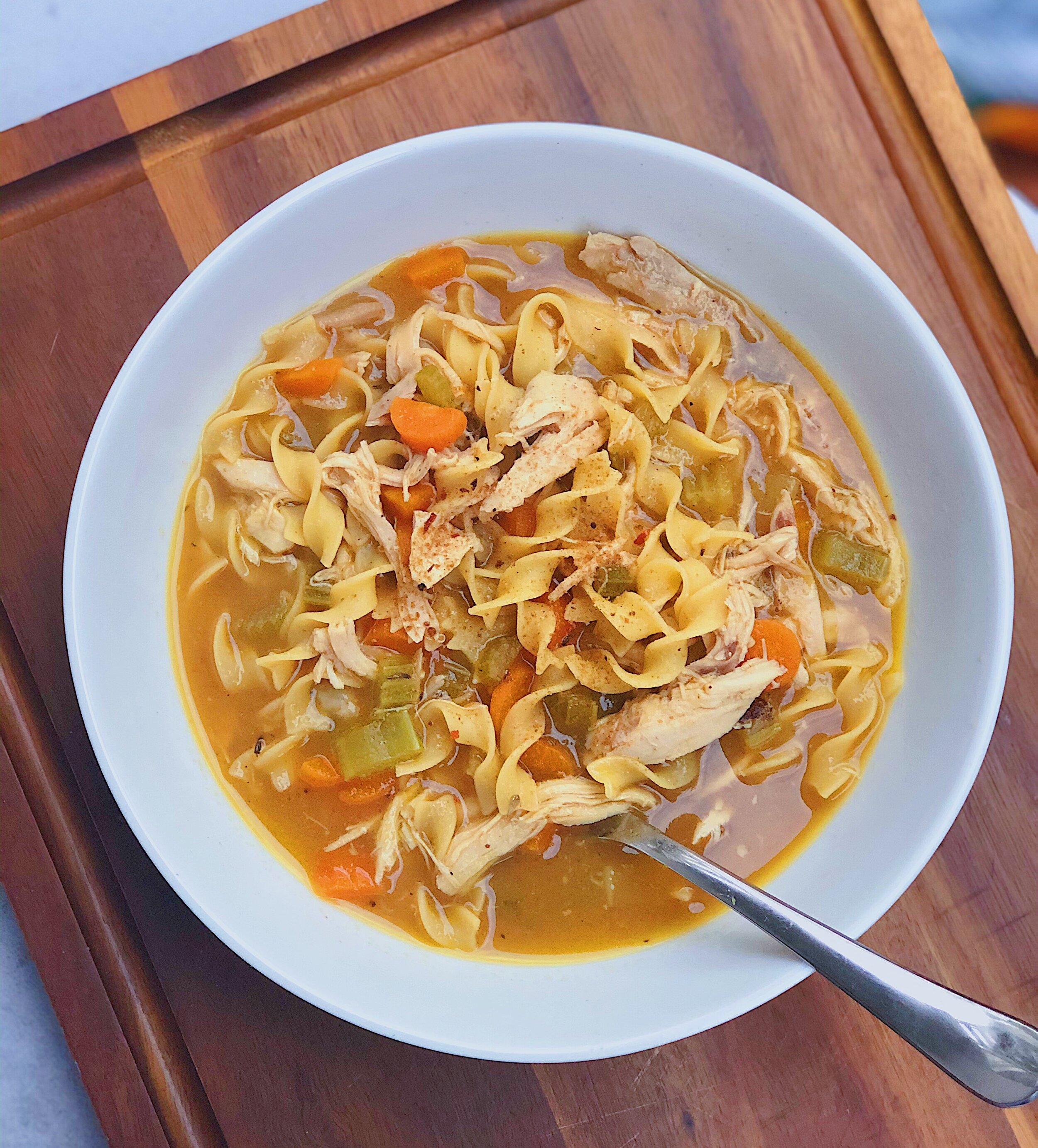
One of my favorite things to do when fall comes around is pop into Trader Joe’s and see what those guys are up to. They reign supreme with seasonal items, from their maple butter to their spiced apple cider, pumpkin madeleines, and honeycrisp granola. They just really know how to do fall, y’all.
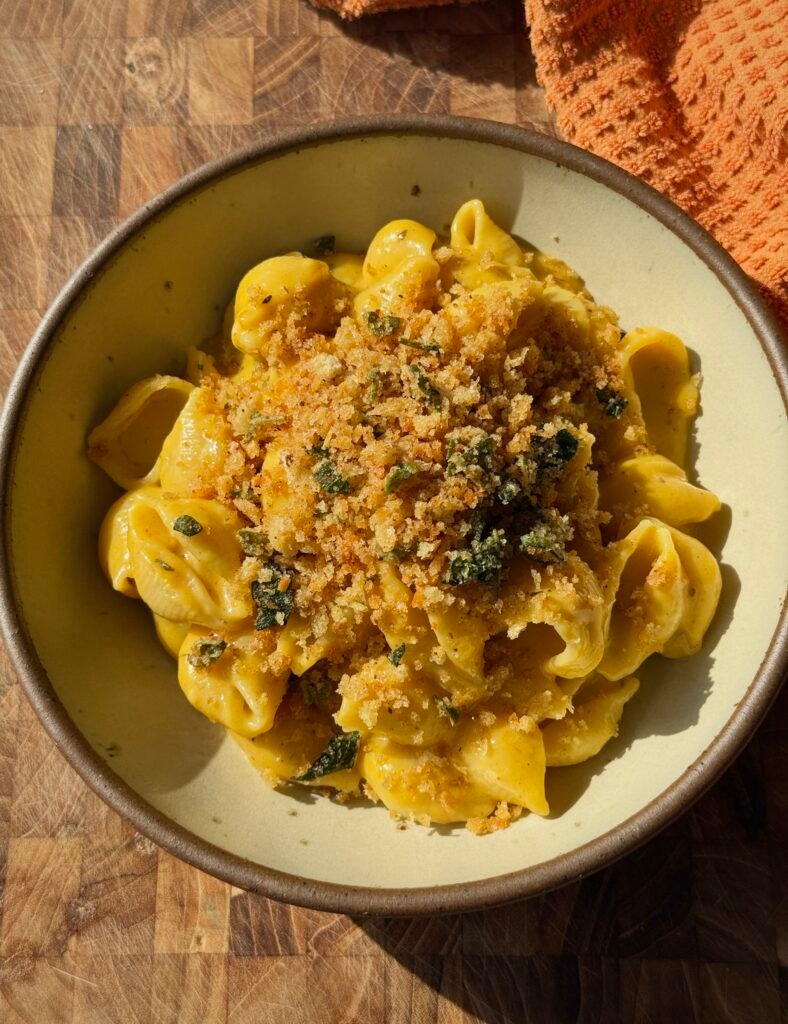
But one item people tend to go absolutely bananas for is their frozen butternut squash mac n cheese. And look, as a gal who still dabbles with Kraft and Goodles boxed mac n cheese, a convenient AND seasonal mac on the ready whenever you want it is pretty incredible. So while I hope you eat it to your heart’s content until the season is over, I think we should release the shackles this frozen treat has on the general population and learn how to make it ourselves. Because as good as it is, imagine a version that’s even creamier, cheesier, and packed with freshly roasted squash, garlic, and brown butter sage topping. And I hate to hate on ole Joe, but this homemade version blows the original out of the water.
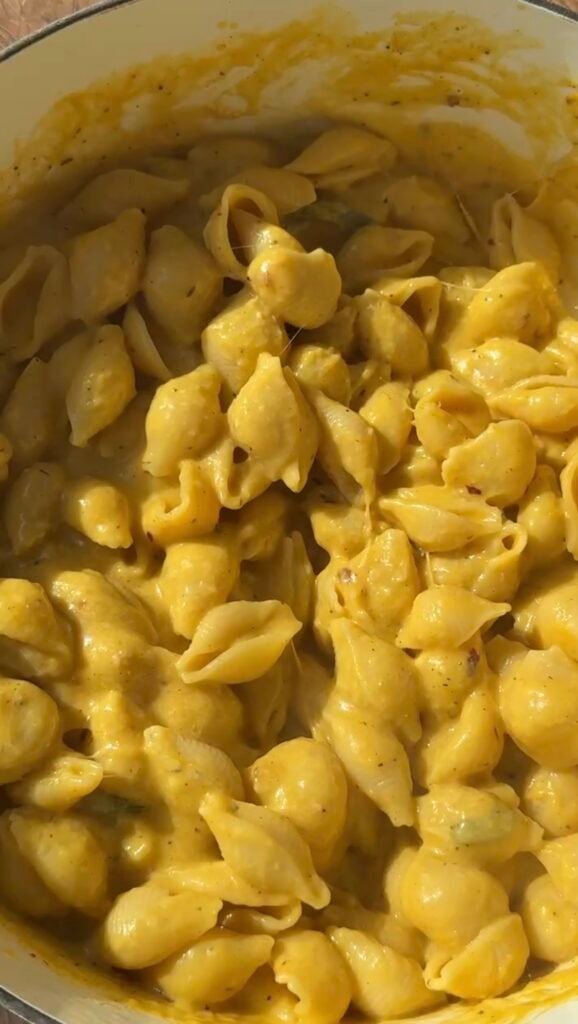
I like using honeynut squash for this because it’s the perfect size for a quick oven roast, and the flavor is like a more concentrated butternut. But choose your own adventure! Regular butternut squash works just as well. Best part is, we’re cooking the pasta all in one pot, so the starch released from the pasta works with the roasted squash puree to create a naturally thick, creamy sauce without needing a roux. Add in three types of cheese, plenty of brown butter sage, and crispy sage breadcrumbs on top, and you’ve got yourself the ultimate cozy fall mac n cheese.
Why You’ll Love This Recipe
- Inspired by a Trader Joe’s favorite: All the cozy, savory flavors of their cult-favorite butternut squash mac and cheese, made fresh at home.
- Extra creamy without a roux: Roasted squash creates a naturally velvety sauce, so there’s no need for flour or a traditional cheese sauce.
- One-pot pasta: The pasta cooks directly in the pot, releasing starch that helps create an extra creamy sauce.
- Packed with fall flavor: Roasted garlic, shallots, brown butter, and sage give this mac and cheese a rich, savory depth. We’re also doing a trifecta of gouda, white cheddar, and parmesan for the perfect combination of creaminess and nutiness.
- That crunchy topping: If you know me, you know I love a brown butter breadcrump topping on my pastas, so it’s no surprise we’ve got one here. Brown butter sage breadcrumbs add the perfect crispy contrast to the creamy pasta.
Ingredients You’ll Need
- Honeynut squash: Sweeter and more concentrated in flavor than butternut squash, honeynut squash is the star of this recipe. You can substitute one medium butternut squash if honeynut isn’t available, or even try acorn squash! Two small honeynut squash should yield approximately 1½ cups of roasted squash flesh before blending. You can substitute with butternut squash or another winter squash, aiming for the same amount of cooked flesh. If using a larger squash, cut it into smaller pieces for roasting and adjust the cooking time as needed.
- Shallots and garlic: Roasting these alongside the squash brings out their natural sweetness and adds savory depth to the sauce.
- Whole milk: Blended with the roasted vegetables to create a silky smooth puree that forms the base of the sauce.
- Butter and fresh sage: Brown butter adds a rich, nutty flavor, while crispy sage brings an earthy, aromatic finish.
- Pasta: Medium shells or pipe rigate are perfect for catching all that creamy sauce. Other short pasta shapes work too, although cooking times may vary.
- Mustard powder, onion powder, dried sage, and thyme: A combination of seasonings that adds warmth and balances the sweetness of the squash.
- Double cream Gouda: My go to cheese for a mac – its flavorful, melts beautifully, and adds a rich, buttery creaminess.
- Aged white cheddar: Brings that classic sharp, cheesy mac and cheese flavor.
- Parmesan cheese: Adds a salty, nutty finish.
- Panko breadcrumbs: Toasted in brown butter with fresh sage for a crispy, savory topping.
Tips & Tricks for the Best Honeynut Squash Mac and Cheese
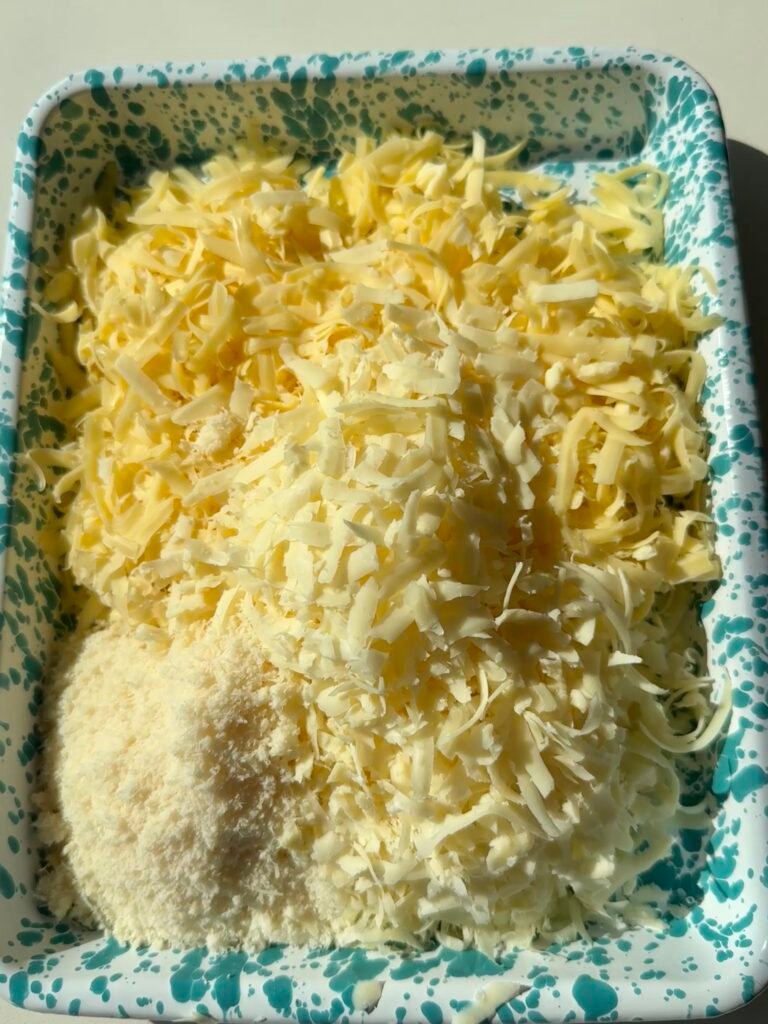
- Use freshly shredded cheese. Pre-shredded cheese often contains anti-caking agents that can prevent it from melting as smoothly. Shredding your own makes a big difference in the final texture.
- Don’t overcook the pasta. Since the pasta continues cooking when you add the squash puree, aim for 1–2 minutes shy of al dente before stirring it in.
- Keep an eye on the liquid. Different pasta shapes absorb different amounts of water. If the pot starts looking dry before the pasta is cooked, or the mac looks too thick after adding the cheeses, add a splash of milk or water as needed.
- Add the cheese over very low heat or off the heat. High temperatures can cause the cheese sauce to become grainy or separate. Add the cheese gradually, stirring until melted before adding more.
- Keep the sauce slightly loose. The squash and cheese will continue to thicken as the mac and cheese sits. If needed, stir in an extra splash of milk to bring back that creamy consistency.
- Don’t skip the brown butter. It adds a delicious nutty flavor that complements the sweetness of the squash and makes this recipe extra special.
- Add the breadcrumbs just before serving. This keeps them nice and crispy instead of letting them soften in the sauce.
Substitutions and Variations
Can I use butternut squash instead of honeynut squash?
Absolutely! Honeynut squash is essentially a smaller, sweeter variety of butternut squash, so the two are interchangeable in this recipe. I used two small honeynut squash, but one medium butternut squash should work as a substitute. For the most consistent results, aim for approximately 1.5-2 cups of roasted squash flesh. Since butternut squash is larger, it may take a little longer to roast.
Can I use different cheeses?
Definitely! I love the combination of double cream Gouda, aged white cheddar, and Parmesan, but you can swap in Gruyère, fontina, or regular Gouda depending on what you have available. Just make sure to use cheeses that melt well, and keep some sharp cheddar for a sharper flavor.
Can I use a different pasta shape?
Yes! Medium shells, pipe rigate, elbows, and cavatappi are all great options. Just keep in mind that different pasta shapes have different cooking times and may require a little more water.
What to Serve with Honeynut Squash Mac and Cheese
This mac and cheese is hearty enough to enjoy on its own, but it also makes a delicious side dish for fall dinners, Friendsgiving, or Thanksgiving. For a complete meal, pair it with a simple green salad or roasted vegetables to balance out the richness. It’s also delicious alongside roasted chicken, steak, or your favorite holiday mains.
More Squash Recipes
- Pumpkin Vodka Pasta with Sage Breadcrumbs
- Roasted Butternut Squash Soup
- Roasted Squash with Figgy Date Crunch
- Pumpkin & Sage Stuffed Shells
One Pot Honeynut Squash Mac and Cheese
- Total Time: 55
- Yield: 6-8
Description
This creamy one-pot honeynut squash mac and cheese combines roasted squash, three melty cheeses, brown butter sage, and crispy breadcrumbs for the ultimate cozy fall comfort food.
Ingredients
For the Honeynut Squash Mac and Cheese:
- 2 small honeynut squash (or sub for ½ a large butternut squash)
- 2 shallots
- 1 head garlic
- 2 tbsp olive oil
- 1 cup whole milk
- 2 tbsp butter
- 6 sage leaves
- 1lb dried pasta, such as medium sized shells or pipe rigate
- 4 cups water
- 1 tsp mustard powder
- 1 tsp onion powder
- 1 tsp dried sage
- 1 tsp dried thyme
- 1½ cups double cream gouda, shredded
- 1½ cups aged white cheddar, shredded
- ½ cup freshly grated parmesan cheese
- Salt to taste
For the Brown Butter Sage Breadcrumbs:
- ¼ cup chopped fresh sage
- ¼ cup salted butter
- 1 cup panko breadcrumbs
Instructions
For the Honeynut Squash Mac and Cheese:
- Preheat the oven to 400°F. Line a baking sheet with parchment paper.
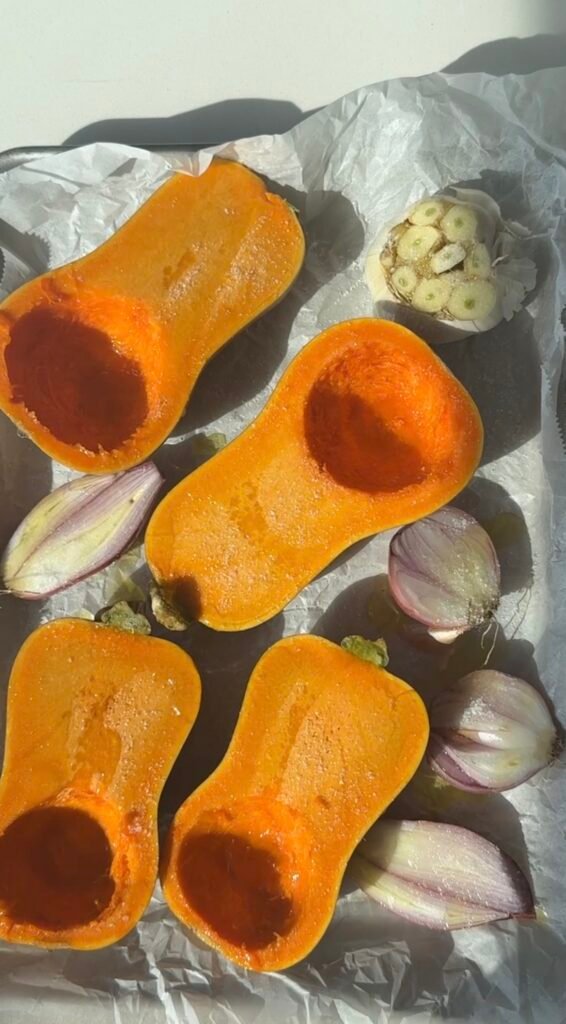
- Cut the squash in half lengthwise and scoop out the seeds. Trim the ends of the shallots and slice them in half lengthwise, leaving the skins on. Slice the top off the garlic head to expose the cloves.
- Add the squash, shallots, and garlic to the baking sheet. Drizzle with olive oil and season with a pinch of salt, rubbing the oil over the vegetables to coat. Place the squash, shallots, and garlic cut side down.
- Roast for about 25-30 minutes or until very tender. Remove from the oven and let cool slightly.
- Meanwhile, make the brown butter sage breadcrumbs. Melt the butter in a skillet over medium heat, stirring frequently as it begins to foam and turn golden brown. Once browned, add in the chopped sage and breadcrumbs, and mix until each breadcrumb is coated in the browned butter. Cook 1-2 minutes more until golden brown and toasted, then shut off the heat and set aside.
- Once the squash is cooled enough to handle, scoop the squash flesh out of the skin and add it to a blender. Remove the skins from the shallots and squeeze the roasted garlic cloves into the blender with the shallots. Pour in the whole milk and blend until completely smooth and creamy.
- Meanwhile, add the butter to a large pot over medium heat. Cook, stirring occasionally, until the butter turns golden bron. Add the fresh sage leaves and cook until crisp, about 30-60 seconds.
- Add the pasta directly to the pot and toss to coat in the brown butter. Pour in the water with 1 tsp of salt and bring to a boil, stirring to prevent the pasta from sticking.
- Once boiling, reduce and simmer uncovered for 8-12 minutes, stirring occasionally, or until the pasta is 1-2 minutes shy of al dente.
- Stir in the squash puree, mustard powder, onion powder, dried sage, and dried thyme.
- Once the pasta is al dente, reduce the heat to the lowest setting. The sauce should still look slightly loose, as it will continue to thicken once the cheese is added.
- Gradually stir in the shredded Gouda, white cheddar, and Parmesan, adding a handful at a time and stirring until melted before adding more. If the sauce is too thick, add additional milk, a splash at a time, until creamy and smooth.
- Taste and adjust any seasonings. Serve with the sage brown butter breadcrumbs over top and enjoy!
Notes
Two small honeynut squash can be substituted with approximately one medium butternut squash. Aim for around 2 cups of roasted squash flesh, adjusting the milk as needed depending on the thickness of your puree.
Pasta cooking times may vary depending on the shape and brand. Add extra water in small increments if the pasta needs more time to cook.
The sauce will thicken as it cools. Stir in additional milk as needed before serving or reheating.
Store the breadcrumbs separately and sprinkle over the mac and cheese just before serving to maintain their crunch.
- Prep Time: 15
- Cook Time: 40
- Category: Dinner
- Method: Stovetop
- Cuisine: American
Storage and Reheating
To store: Let the mac and cheese cool, then transfer it to an airtight container and refrigerate for up to 3–4 days. Store the brown butter sage breadcrumbs separately so they stay crispy.
To reheat: Add the mac and cheese to a saucepan over low heat with a splash of milk. Stir gently until warmed through, adding more milk as needed to loosen the sauce. You can also microwave individual portions in short intervals, stirring between each one.
Frequently Asked Questions
Why is my squash mac and cheese too thick?
The pasta absorbs liquid as it cooks, and both the squash puree and cheese thicken the sauce. If it becomes too thick, simply stir in a splash of warm milk until you reach your desired consistency. Keep in mind that the sauce will continue thickening as it cools.
Do I need to peel the squash before roasting?
Nope! Roasting the squash cut side down makes the flesh tender and easy to scoop out of the skin once cooled. It’s much easier than peeling raw squash.
Why don’t you need a roux for this mac and cheese?
The roasted squash puree naturally thickens the sauce, while the starch released from the pasta as it cooks helps everything come together. Combined with the melted cheese, you get a rich, creamy sauce without needing flour.
Can I make this mac and cheese ahead of time?
Yes, although it’s at its creamiest when served fresh. If making it ahead, keep the sauce slightly looser than usual since it will thicken as it sits. Reheat gently with a splash of milk, and prepare or add the crispy sage breadcrumbs right before serving.
Is honeynut squash the same as butternut squash?
Not exactly! Honeynut squash is a smaller variety of winter squash developed from butternut squash. It has a sweeter, more concentrated flavor and a beautiful deep orange color. Butternut squash makes an excellent substitute if you can’t find honeynut.